
Corporate Training on Psychological Safety: Building High-Stakes Trust
Imagine standing on the 78th floor of the World Trade Center as the world begins to shake. In that moment, safety wasn’t just about exits and protocols. It was about the profound trust between a man and his guide dog. For many modern teams, the stakes feel just as high even if the environment is a boardroom rather than a stairwell. You likely recognize that when employees are afraid to admit a mistake or challenge the status quo, innovation dies in the silence. It’s this silence that effective corporate training on psychological safety seeks to break.
It’s frustrating to see DEI efforts feel like a checklist instead of a lived reality. This guide will show you how to dismantle a culture of fear and replace it with a foundation of unwavering interdependence. We’ll explore how expert-led training transforms your organization into a sanctuary of innovation where trust is the primary operating system. By the end, you’ll understand the tactical shift from managing tasks to nurturing the human spirit through collective resilience. Through this journey, you will learn to perceive leadership beyond the visible metrics and focus on the strength found in true connection.
Key Takeaways
- Discover why psychological safety is the essential bedrock for teams to navigate high-stakes environments without the paralyzing fear of retribution.
- Learn how to implement corporate training on psychological safety through a tactical framework that replaces “polite silence” with high-impact “productive dissent.”
- Identify hidden communication barriers by conducting a “Trust Audit” and learn why leaders must be the first to model vulnerability to unlock team potential.
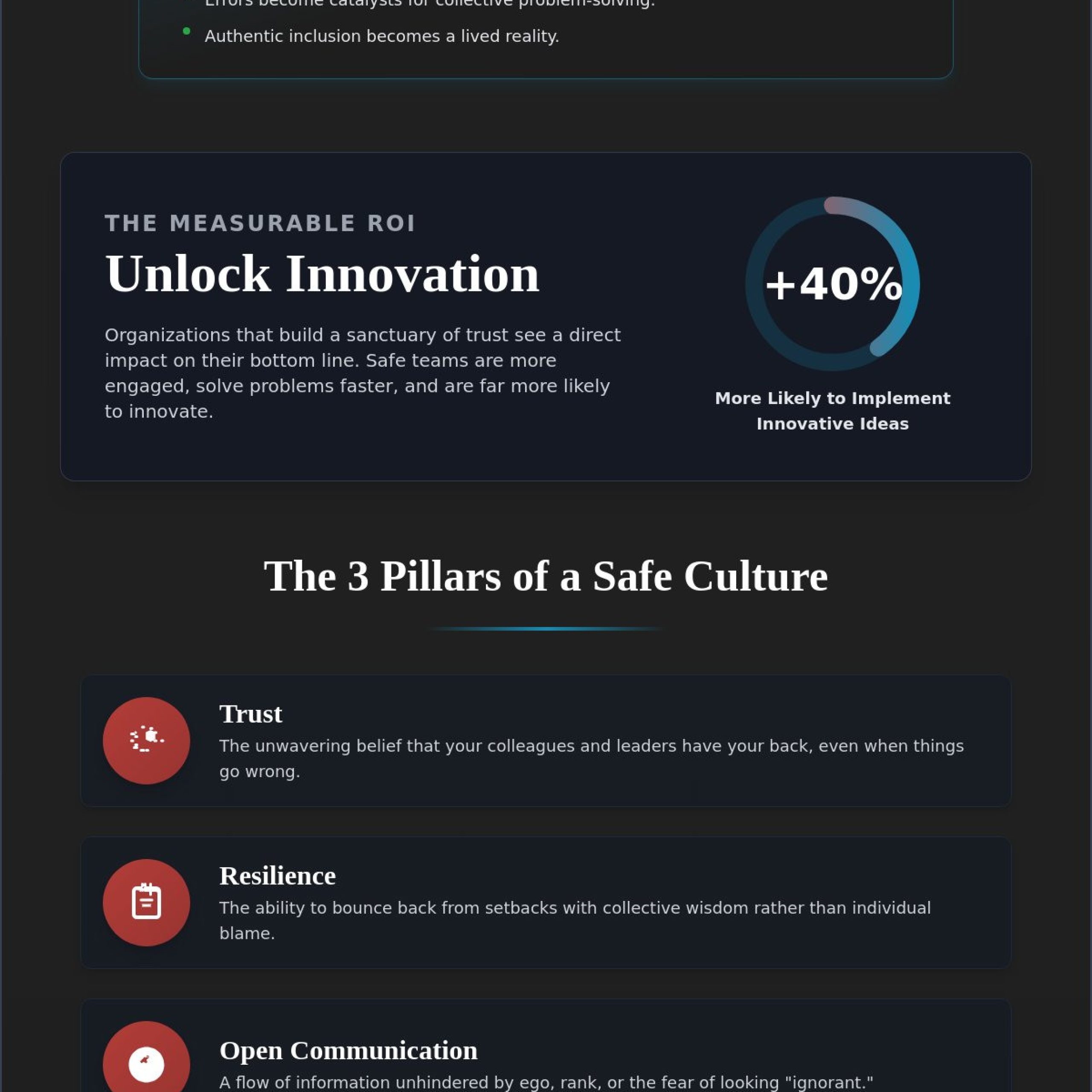
- Explore the measurable ROI of a safe culture, where teams are 40% more likely to implement innovative ideas and drive consistent organizational growth.
- Shift your focus from crisis management to a “No Limits” mindset that fosters collective resilience and transforms your culture into a sanctuary of trust.
What is Psychological Safety and Why is it a Leadership Imperative?
In the high-pressure environment of a modern workplace, the most dangerous hazard isn’t a physical obstacle. It’s the unspoken fear that keeps a team member from flagging a critical error or suggesting a bold new idea. To understand What is Psychological Safety, we must view it as the bedrock of trust where every individual feels secure enough to fail, learn, and speak their truth without the threat of retribution. It’s the difference between a team that merely survives and one that thrives. Psychological safety is the oxygen of innovation in a 2026 corporate landscape.
When leadership fails to cultivate this environment, a culture of “polite silence” takes root. On the surface, everything looks calm. Meetings end on time. No one disagrees with the boss. Yet, beneath that veneer, innovation is stifled by a quiet, pervasive fear. Contrast this with “productive dissent,” where team members feel empowered to challenge ideas and offer alternative perspectives. This friction isn’t a sign of weakness; it’s the heat that forges stronger solutions. Comprehensive corporate training on psychological safety provides the tools to move from a state of silence to a state of strength.
Building this sanctuary requires three essential pillars:
- Trust: The unwavering belief that your colleagues and leaders have your back, even when things go wrong.
- Resilience: The ability to bounce back from setbacks with collective wisdom rather than individual blame.
- Open Communication: A flow of information that is unhindered by ego, rank, or the fear of looking “ignorant.”
Why This Matters for Leaders and Organizations
For executive teams and HR leaders, this isn’t a soft skill. It’s a strategic necessity that impacts the bottom line through reduced turnover and faster problem-solving. Organizations that prioritize safety see higher employee engagement because people stay where they feel seen and valued. In 2026, as burnout becomes a board-level priority, creating a safe culture is the most effective way to protect your human capital.
This concept is also the true engine of Diversity, Equity, and Inclusion. You cannot have authentic inclusion if your team doesn’t feel safe bringing their whole selves to the table. When I was navigating down 78 flights of stairs on September 11, my life depended on a specific leadership and trust framework. I had to trust my guide dog, Roselle, and my team had to trust my calm direction. That same level of high-stakes trust is what we aim to build through corporate training on psychological safety. It turns a group of individuals into an interdependent unit, capable of overcoming any crisis. If you’re ready to bring this level of clarity to your next event, consider how a keynote speaker can help your team see beyond their perceived limitations.
Implementing Corporate Training on Psychological Safety: A Tactical Framework
Implementing corporate training on psychological safety requires more than a single seminar or a digital checklist. It demands a tactical shift in how we interact every day. To move the needle from the boardroom to the breakroom, organizations must follow a clear path toward vulnerability and trust. This isn’t just a “nice-to-have” cultural perk. It’s a leadership imperative that protects the very heart of your workforce.
The first step is conducting a “Trust Audit.” This process identifies where silence currently governs your team dynamics. Are people holding back during meetings? Is there a lack of dissenting opinions? Once you’ve mapped these gaps, leaders must take the second step: modeling vulnerability from the top down. If a manager can’t admit their own mistakes, the team will never feel safe admitting theirs. Effective corporate training on psychological safety ensures these behaviors become part of the daily workflow. Finally, you must establish clear protocols for “safe failure.” Use retrospectives to turn errors into collective lessons rather than individual blame.
Seeing Beyond the Surface: Inclusion as a Safety Mechanism
True safety is impossible without genuine inclusion. Often, corporate accessibility serves as the ultimate litmus test for your culture. If a workplace isn’t physically or digitally accessible, it sends a quiet message that some people don’t belong. When we learn to “see beyond blindness,” we begin to value diverse perspectives over perceived limitations. This shift ensures every team member feels secure enough to contribute their best work without fear of being judged for their unique characteristics.
The Role of Resilience in Psychological Safety
Resilience isn’t just about individual toughness. It’s about interdependence. Teams must learn to view challenges as characteristics of the journey, not barriers to success. When a team trusts one another, they can navigate any storm. If you want to ignite this transformation, Michael Hingson’s keynote speaking offers a powerful catalyst for cultural change. He shares how trust and preparation allow teams to overcome even the most extreme adversity, transforming fear into a platform for growth. If you’re looking for a keynote speaker who can help your team navigate uncertainty, Michael Hingson brings a perspective that few others can offer.
The ROI of Safety: From Crisis Management to Daily Innovation
Investing in your culture isn’t just a moral choice. It’s a calculated strategy for growth. When you prioritize corporate training on psychological safety, you’re essentially installing a high-performance operating system for your team. Research from the Harvard T.H. Chan School of Public Health demonstrates the significant ROI of psychological safety, particularly in its ability to reduce burnout and improve retention during times of intense change. When fear is removed from the equation, your team’s potential becomes truly unstoppable.
On September 11, the world around me was a whirlwind of noise and uncertainty. Yet, inside the stairwell of Tower One, there was a profound sense of calm. This didn’t happen by accident. It was the result of high-stakes trust and preparation. In a corporate setting, this same calm allows for a “No Limits” mindset. Instead of wasting energy on self-protection, your employees can focus on solving complex problems. Data shows that when psychological safety is high, employees are 27% more likely to be innovative. They don’t just generate ideas; they have the courage to implement them.
Building an Unstoppable Mindset Across Your Team
Creating this environment is a continuous journey of perception and growth. To keep these lessons fresh and maintain cultural momentum, I encourage leaders to subscribe to the Unstoppable Mindset Podcast. Ongoing reinforcement ensures that trust remains a living part of your organization’s DNA. Use the following checklist to maintain a sanctuary of innovation:
- Weekly Check-ins: Dedicate time to discuss team dynamics, not just task lists.
- Anonymous Feedback Loops: Provide a secure channel for those who aren’t yet ready to speak up publicly.
- Celebrating “Smart Failures”: Publicly recognize the lessons learned from risks that didn’t pan out.
The transition from a culture of fear to one of resilience is the most important leap a leader can take. It’s about seeing beyond the immediate crisis to the human potential waiting to be unlocked. If you’re looking for a keynote speaker who can help your team navigate uncertainty, build trust, and lead through change, Michael Hingson brings a perspective that few others can offer.
Unlocking the Power of Interdependence
Building a sanctuary of trust requires more than just a policy change. It’s a fundamental shift in how we perceive one another’s potential. By prioritizing corporate training on psychological safety, you’re not just preventing errors; you’re inviting every team member to bring their authentic self to the table. We’ve explored how a tactical framework of vulnerability and clear protocols for safe failure can transform your organizational culture. These aren’t just management theories. They are the same principles that allowed my team and me to navigate 78 floors of uncertainty with calm and clarity.
True leadership means seeing beyond the visible obstacles and focusing on the strength of our connections. As a 9/11 survivor, NYT bestselling author, and corporate leader with decades of experience in adaptive technology, I’ve seen firsthand how trust creates resilience. My insights have been featured in major global media because they offer a grounded, human approach to high-stakes teamwork. If you’re ready to inspire your organization to lead without limits, book Michael Hingson for your next leadership event or corporate training session. Together, we can build a future where every voice is heard and every challenge is met with collective strength.
Common Questions on Building Trust and Safety
What is the primary goal of corporate training on psychological safety?
The primary goal of corporate training on psychological safety is to build a culture where every individual feels secure enough to take interpersonal risks without the paralyzing fear of judgment. This goes beyond simple team building. It’s about establishing a foundation of trust that allows people to speak up about errors or share bold ideas. When teams move beyond self-protection, they unlock a level of collective resilience that is essential for navigating high-stakes environments.
How does psychological safety differ from just being “nice” to colleagues?
Psychological safety is fundamentally different from being “nice” because it prioritizes productive dissent over polite silence. While niceness often leads to avoiding difficult conversations to maintain a facade of harmony, safety allows for candid feedback and the healthy friction of diverse ideas. In a truly safe environment, team members respect one another enough to be honest. They understand that growth requires the courage to challenge the status quo rather than just being agreeable.
Can psychological safety be measured within a corporate team?
You can measure psychological safety through both quantitative data and the qualitative observations of leadership. Tools like anonymous pulse surveys and Trust Audits provide a baseline of how safe employees feel to admit mistakes. Leaders should also look for shifts in meeting dynamics, such as an increase in questions asked or a wider variety of voices contributing to decisions. These metrics offer a clear picture of the invisible trust governing your organization.
How long does it take to see results from psychological safety training?
Seeing lasting results from corporate training on psychological safety is a deliberate process that often takes several months of consistent leadership modeling. While an inspiring keynote can spark an immediate shift in perception, a full cultural transformation requires ongoing practice and reinforcement. It’s a journey from challenge to strategy to triumph. Most organizations report a noticeable increase in employee engagement and innovative idea generation within three to six months of beginning the work.
Article by
Michael Hingson
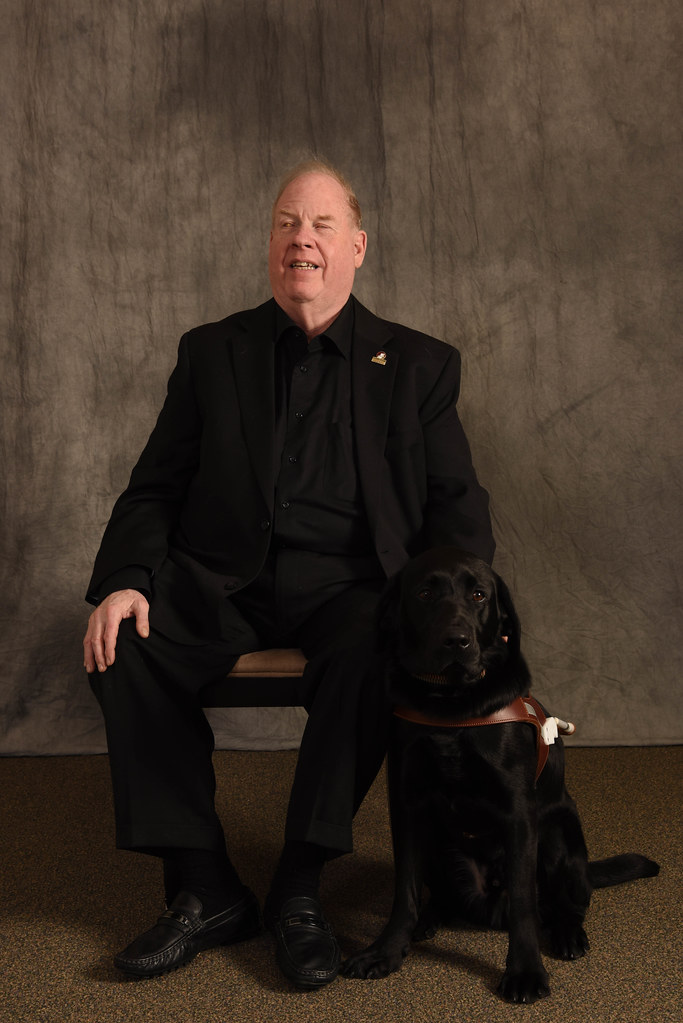
Michael Hingson is a keynote speaker, bestselling author of Thunder Dog, and a survivor of the September 11 World Trade Center attacks. Blind since birth, he brings a powerful and unique perspective on leadership, trust, and resilience in times of uncertainty.
He has spoken to organizations around the world, helping leaders and teams navigate change, build trust, and perform under pressure. His message combines real-world experience with practical insight that audiences remember long after the event ends.
👉 Book Michael Hingson for your next event.