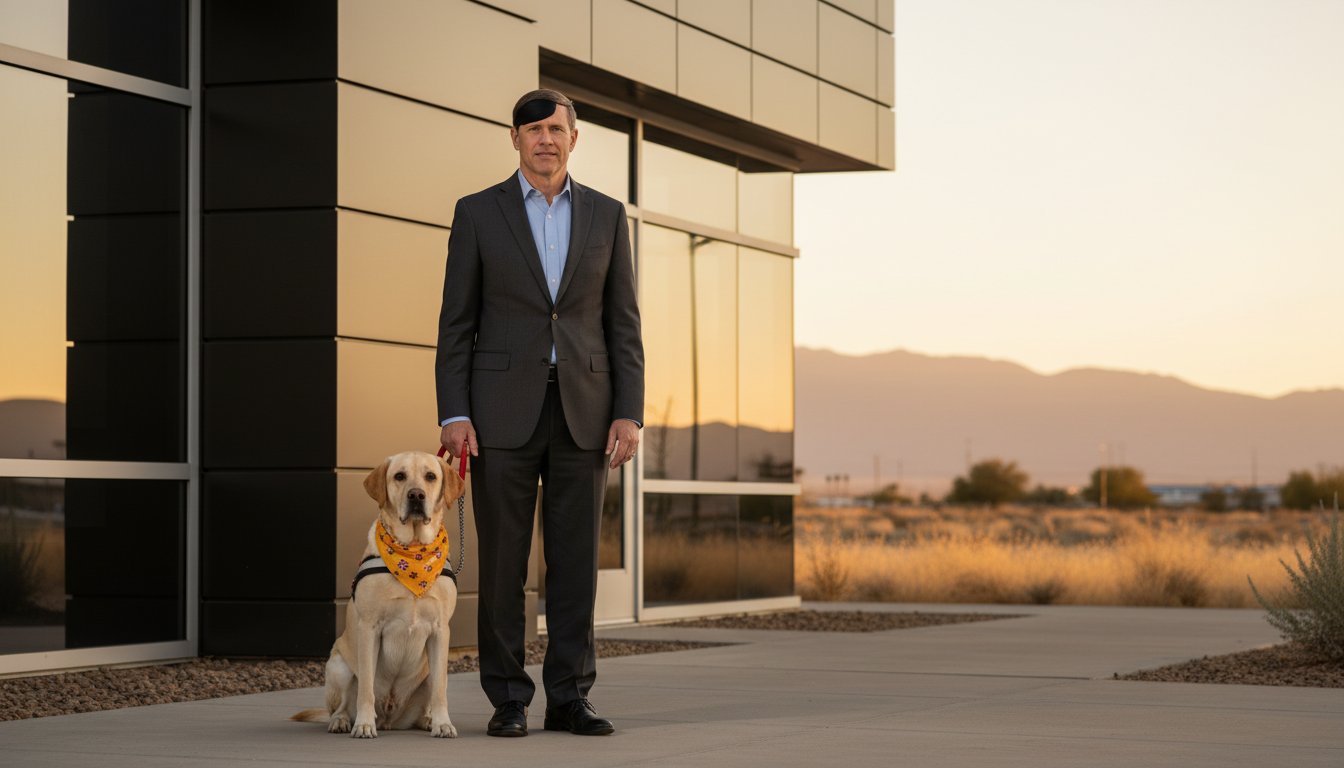
Corporate Speaker on Overcoming Adversity: Leading with Trust in 2026
What if the most vital component of your 2026 growth strategy isn’t a new AI tool, but the invisible bond of trust your team relies on during a crisis? Currently, only 35% of U.S. employees report feeling consistently resilient at work, leaving the majority of your workforce vulnerable to burnout and the weight of economic uncertainty. You likely see the signs of a team running on empty, where diversity efforts feel like obligations rather than competitive strengths. Hiring a corporate speaker on overcoming adversity is no longer just about a motivational moment; it’s about equipping your leadership with a framework for survival and success that has been tested in the most extreme conditions imaginable.
You recognize that your people need more than just a pep talk to navigate today’s market shifts. This article shows you how a professional speaker on overcoming adversity transforms the lessons of resilience into a strategic corporate advantage for your entire organization. We’ll preview how moving from a “handicap” mindset to one of adaptive interdependence can improve internal trust and create a workforce that doesn’t just endure change, but thrives because of it. It’s time to see beyond the immediate obstacles and build a culture that is truly unstoppable.
Key Takeaways
- View resilience as a developed skill rather than an innate trait to build a workforce capable of navigating continuous market change.
- Understand why a corporate speaker on overcoming adversity must offer more than a story, providing instead a strategic bridge to improved team performance.
- Learn how to cultivate interdependent trust, moving beyond individual effort to a collective strength that mimics the bond between a guide and their partner.
- Shift your DEI perspective by integrating adaptive living principles that foster genuine belonging and psychological safety across all levels of your organization.
- Discover the “Unstoppable Mindset” framework to transform fear into focused action, ensuring your team remains steady during high-stakes transitions.
Redefining Resilience: Why Adversity is a Core Business Strategy
Resilience is often mistaken for a static trait, something a person either possesses or lacks. This narrow view ignores the reality that psychological resilience is a skill developed through intentional practice. In the corporate world of 2026, adversity isn’t an interruption of the work; it is the work. When you hire a corporate speaker on overcoming adversity, you’re doing more than providing inspiration. You’re initiating “Adversity Training,” a method that teaches your team to treat market disruption as a strategic training ground. This shift reframes challenges from obstacles into the very fuel that drives innovation and adaptability.
Trust is the quiet byproduct of these shared challenges. It doesn’t grow in the easy times; it’s forged in the moments when the path is unclear. My experience descending the North Tower on September 11th wasn’t a solo feat of heroics. It was a masterclass in interdependence. By relying on my guide dog, Roselle, and the team around me, I learned that true strength comes from knowing when to lead and when to lean on others. A corporate speaker on overcoming adversity helps your team move away from the myth of the “lone hero” and toward a culture of collective resilience.
Why This Matters for Leaders and Organizations
The numbers tell a compelling story about the current state of the workforce. Research from May 2026 shows that only 35% of U.S. employees report feeling consistently resilient. This gap is a direct threat to your bottom line. When resilience is low, burnout rises and retention drops. Conversely, employees with high emotional resilience show 94% better productivity. Because 92% of workers now consider it essential to work for an organization that supports their psychological well-being, leadership must prioritize these human skills to keep their best talent.
Adversity-focused keynotes break down the silos that often separate departments. By emphasizing our shared human experience and the necessity of trust, these sessions create a unified culture. If you’re looking to integrate these lessons into your next event, exploring Michael’s approach to leadership and trust can provide the tactical framework your organization needs to thrive in uncertainty.
What to Look for in a Corporate Speaker on Overcoming Adversity
Choosing the right corporate speaker on overcoming adversity means looking for the bridge between a harrowing story and your company’s quarterly objectives. A powerful narrative is the hook, but the strategy is the anchor. You need a speaker who doesn’t just describe their past, but provides a lens through which your team can view their own future. This ensures the inspiration doesn’t evaporate once the conference ends. It moves the audience from passive listening to active application.
Inclusive leadership is often the missing piece in traditional resilience training. A speaker who has navigated life as a blind professional offers a unique perspective on DEI that moves beyond compliance. It’s about adaptive innovation. When a team learns to see diversity as a collection of different problem solving styles, they become more flexible. This transforms inclusion into a core competency for handling market shifts. It’s not about checking a box; it’s about building a more capable and interconnected workforce.
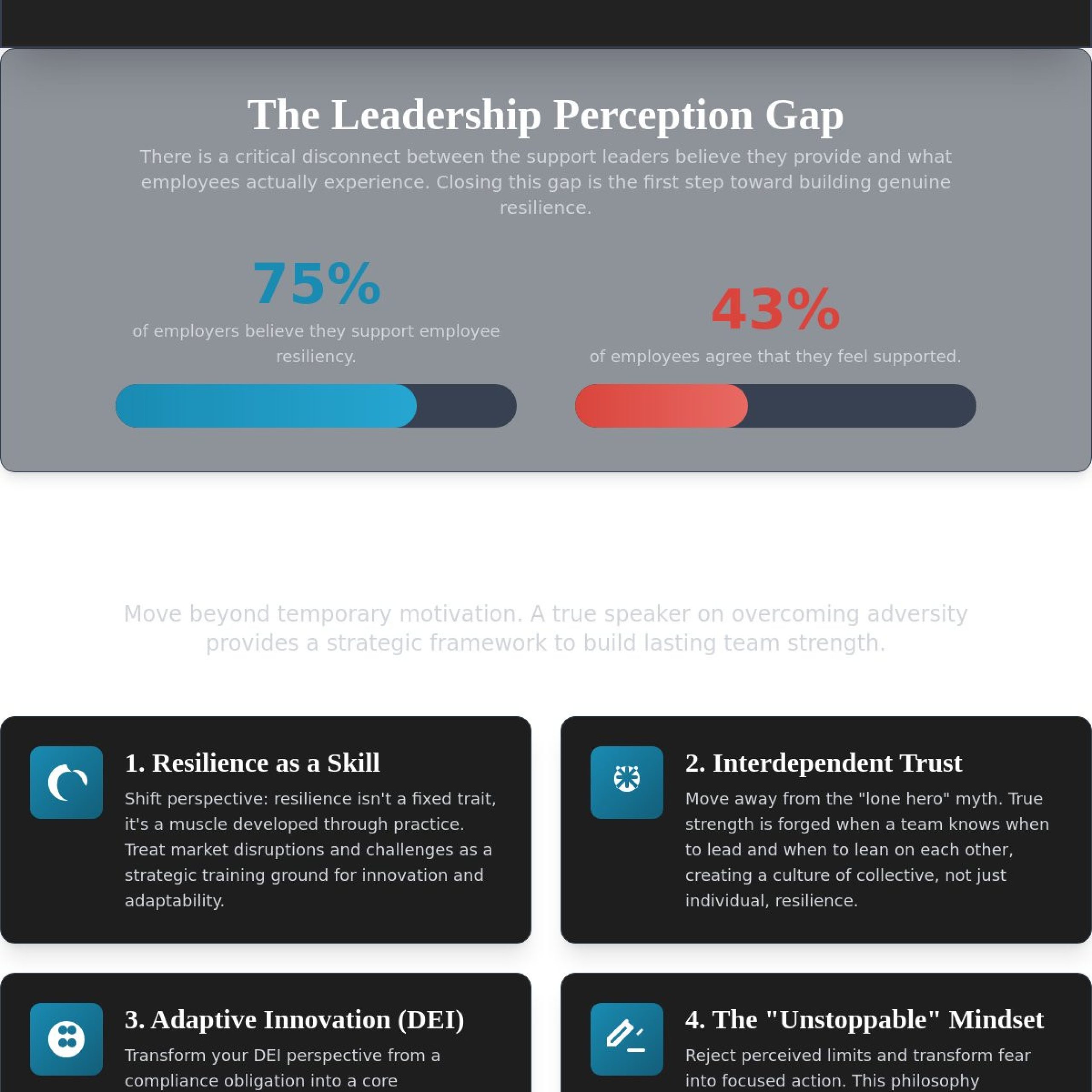
Practicality is where the ROI of an event is found. While 75% of employers believe they support resiliency, only 43% of employees agree. A corporate speaker on overcoming adversity should close this gap with a “Monday Morning” checklist tailored to your industry. Whether you’re in tech or finance, the advice must be actionable. If you have specific questions about how this fits your event goals, you might find answers on our frequently asked questions page.
Identifying the ‘No Limits’ Mindset
The “No Limits” philosophy is about rejecting the “victim” label in favor of being an “adaptive professional.” In my work, I emphasize that limits are often perceived rather than real. By shifting to this perspective, teams can innovate under pressure and see beyond the immediate crisis. You can hear more about how leaders apply these principles by visiting the Unstoppable Mindset podcast, where we explore the intersection of disability advocacy and high level leadership training.
Michael Hingson: Transforming Crisis into Corporate Excellence
On September 11, 2001, the world changed in an instant. For me, that morning was not just a historical event; it was the ultimate test of preparation and partnership. Navigating 78 flights of stairs in the North Tower while blind required a level of trust that most people never have to exercise. This was not about physical sight. It was about the vision to see a path forward when the surrounding environment was total chaos. My guide dog, Roselle, did not just lead me. She partnered with me. We functioned as a single unit, moving with a calm confidence that allowed us to help others find their way to safety.
This bond of interdependence is exactly what modern teams need to survive the pressures of 2026. When markets shift or economic uncertainty strikes, teams often fragment under the weight of fear. A corporate speaker on overcoming adversity helps your organization translate these high-stakes lessons into daily excellence. I teach the Unstoppable Mindset, which is a repeatable process for staying focused when the world feels like it is spinning out of control. It’s about moving from a state of reaction to a state of deliberate, trust-based action. Preparation and calm are not just personal traits; they are corporate assets that can be cultivated through shared experience and clear leadership.
Booking the Right Voice for Your 2026 Event
Event planners often struggle to find a message that fits both a technical conference and a leadership retreat. Integrating my story into your specific theme is a seamless process because the core of the message is universal. Whether your focus is on inclusive leadership or navigating digital transformation, the principles of trust and resilience remain the same. Michael Hingson’s Keynote Services are available for both live and virtual formats, ensuring your team receives a world-class experience regardless of the venue. A professional corporate speaker on overcoming adversity should leave your audience with more than just a memory; they should leave with a new way of seeing their own potential.
If you’re looking for a keynote speaker who can help your team navigate uncertainty, build trust, and lead through change, Michael Hingson brings a perspective that few others can offer.
Building an Unstoppable Future Through Interdependence
The challenges of 2026 require more than just endurance. They demand a fundamental shift in how we perceive difficulty. We’ve explored how resilience is a skill that can be trained and how trust is forged in the fires of shared adversity. By moving away from the “handicap” mindset and toward adaptive professional excellence, your team can turn market volatility into a strategic advantage. This isn’t just theory. It’s a practice rooted in the reality of navigating the North Tower on September 11, 2001. When you lead with trust, you ensure that no one has to find their way through the dark alone.
As a New York Times Bestselling Author of ‘Thunder Dog’ and host of the ‘Unstoppable Mindset’ Podcast, I bring a unique perspective that bridges the gap between survival and corporate strategy. Choosing the right corporate speaker on overcoming adversity is an investment in your team’s psychological safety and long-term performance. If you’re ready to transform your next event into a catalyst for cultural change, please Book Michael Hingson for Your Next Corporate Event. Together, we can build a workforce that sees beyond obstacles and leads with unwavering trust. Your team’s most resilient days are still ahead.
Frequently Asked Questions
What topics do speakers on overcoming adversity typically cover for corporations?
A corporate speaker on overcoming adversity addresses the intersection of human resilience and business strategy. These experts typically cover topics such as building radical trust, fostering interdependence, and developing an Unstoppable Mindset. They provide frameworks for inclusive leadership and adaptive living that go beyond simple motivation. By shifting the focus from individual heroics to collective strength, these speakers help teams navigate the 65% of workplace stressors that stem from organizational change.
How can a resilience speaker help my team during a period of high turnover or change?
Resilience speakers help stabilize morale by rebuilding the psychological safety that often erodes during periods of high turnover. Since only 35% of U.S. employees report feeling consistently resilient as of May 2026, a speaker provides tools to manage the economic uncertainty cited by 39% of workers. By reframing change as a shared journey rather than a threat, these keynotes reduce burnout. They empower your workforce to maintain a steady pace even when the environment feels unpredictable.
Is a speaker’s personal story of adversity relevant to my specific industry?
Personal stories of adversity are universal because the principles of trust and preparation are necessary in every sector. Whether your team operates in high-stakes finance or rapid-growth tech, the need for calm during a crisis is identical. The lessons I learned during the 9/11 attacks apply to any professional. These narratives bridge the gap for the 92% of workers who now prioritize emotional well-being and supportive management over traditional corporate structures.
How do I measure the ROI of a keynote speaker on overcoming adversity?
Measuring the ROI of a corporate speaker on overcoming adversity involves tracking specific performance metrics like employee engagement scores and productivity levels. Organizations often report a 94% improvement in productivity among employees with high emotional resilience. You can also observe shifts in internal trust and a reduction in the costs associated with turnover. By 2026, data-driven measurement has become the standard for determining how these keynotes drive long-term cultural change and business outcomes.
Article by
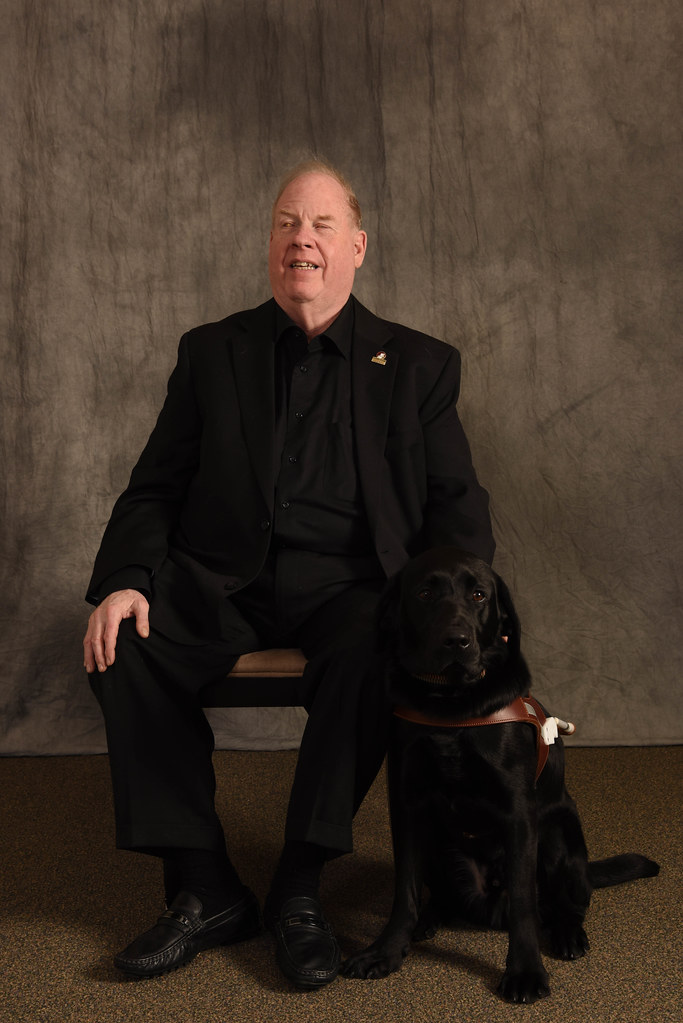
Michael Hingson
Michael Hingson is a keynote speaker, bestselling author of Thunder Dog, and a survivor of the September 11 World Trade Center attacks. Blind since birth, he brings a powerful and unique perspective on leadership, trust, and resilience in times of uncertainty.
He has spoken to organizations around the world, helping leaders and teams navigate change, build trust, and perform under pressure. His message combines real-world experience with practical insight that audiences remember long after the event ends.
👉 Book Michael Hingson for your next event.