How to Hire a 9/11 Survivor Speaker: A Strategic Guide for Corporate Leaders in 2026
What if the most harrowing day in modern history held the exact blueprint your leadership team needs to thrive in 2026? Many executive boards hesitate when they consider the decision to hire a 9/11 survivor speaker because they fear the presentation will feel too heavy or disconnected from their current business objectives. You want more than a moving story; you need a catalyst for cultural change that sticks long after the applause ends.
It’s vital to find a voice that bridges the gap between a historical event and today’s complex corporate challenges. This guide will show you how to select a speaker who transforms a narrative of survival into actionable leadership frameworks that build deep team trust and resilience. You’ll learn the precise steps to vet a speaker for professional competence rather than just emotional impact. We’ll examine how these timeless lessons on interdependence can improve your organization’s approach to crisis management and inclusion starting today.
Key Takeaways
- Learn why a survivor’s perspective moves beyond historical narrative to provide modern frameworks for high-stakes leadership and organizational trust.
- Identify the essential criteria to hire a 9/11 survivor speaker who can bridge industry-specific challenges with actionable strategies for resilience.
- Discover how to evaluate a speaker’s ability to deliver a consistent, high-impact message across both live and virtual platforms.
- Explore how Michael Hingson’s journey from the North Tower illustrates the “Unstoppable Mindset” required to lead through uncertainty and foster deep interdependence.
- Understand the shift from hearing a survival story to implementing a “no limits” philosophy that empowers teams to overcome perceived boundaries.
The Strategic Value of a 9/11 Survivor Keynote Speaker
When organizations look to hire a 9/11 survivor speaker, they often seek more than a recount of a historic day. They’re looking for a blueprint for modern survival. Michael Hingson doesn’t just share a story of the September 11 attacks; he provides a tactical framework for high-stakes leadership. This transition from a historical narrative to a resilience framework is essential for leaders in 2026. It’s about moving from the “what happened” to the “how we lead now.” Survivors are uniquely positioned to teach trust because they’ve lived through the ultimate test of it. They understand that interdependence isn’t a corporate buzzword; it’s a requirement for survival.
Why This Matters for Leaders and Organizations
Crisis management isn’t a theory when you’re 78 floors up. It’s a practice. Leaders today face industries that feel like they’re shaking constantly. Learning to stay calm when the floor moves beneath you is a skill that can be taught. This builds unbreakable team cohesion. When a team sees a leader rely on trust rather than panic, they follow suit. Preparation is the antidote to fear. Training creates the muscle memory needed to navigate unexpected change without losing focus. Organizations that prioritize these lessons see a 25 percent increase in employee retention during periods of high organizational change.
Moving Beyond the Story to Actionable Results
Survival stories serve as a catalyst for cultural change by proving that human potential is larger than any obstacle. It’s vital to distinguish between a motivational speech and a transformational keynote. A motivational speech might make your team feel good for an hour, but a transformational keynote changes how they work on Monday morning. It shifts the culture from one of reactive fear to one of proactive trust. This shift is the foundation of leadership and trust in any high-performing environment.
- Perspective: Seeing challenges as opportunities for growth rather than roadblocks.
- Preparation: Building systems and trust before the crisis hits.
- Professionalism: Maintaining excellence and calm under extreme pressure.
If you’re looking for a keynote speaker who can help your team navigate uncertainty, build trust, and lead through change, Michael Hingson brings a perspective that few others can offer. His insights turn a historical event into a roadmap for your organization’s future success.
Key Criteria for Selecting the Right Speaker for Your Event
Choosing a speaker isn’t just about finding a powerful story; it’s about finding a strategy that fits your organization’s future. When you look to hire a 9/11 survivor speaker, you need to ensure their narrative bridges the gap between a historical event and modern business application. Relevance is your first benchmark. Does the speaker’s experience with sudden, catastrophic change translate to your industry’s current volatility? In 2026, leaders need more than inspiration; they need actionable frameworks. A professional speaker provides a proprietary system, like the Unstoppable Mindset, which gives your team a repeatable method for navigating uncertainty. Adaptability is equally vital. Your speaker must be able to command a room whether they are on a physical stage or a digital screen, maintaining a high level of intellectual engagement in any format.
Vetting for Professionalism and Impact
Narrative depth is essential for a lasting impression. You should look for speakers with established works, such as the bestselling book Thunder Dog, which details lessons in trust and resilience. This ensures the message is grounded in a well-developed philosophy rather than just a series of anecdotes. Evaluation should also extend to their Q&A performance. A seasoned orator handles complex questions with grace and expertise, turning a simple session into a collaborative learning experience. Verify their track record through testimonials from Fortune 500 companies or major associations. These stories carry weight because they are preserved as part of the 9/11 Memorial & Museum’s oral histories, serving as a testament to their historical and educational value. When you hire a 9/11 survivor speaker, you are investing in a legacy of resilience that has been tested in the most extreme conditions.
DEI and Disability Awareness in Keynotes
A speaker who is both a survivor and a blind professional offers a unique, double-layered DEI impact. It isn’t just about survival; it’s about seeing beyond blindness in leadership. This perspective challenges teams to rethink their own perceived boundaries and biases. Modern leadership requires an understanding of interdependence and adaptive living. By focusing on inclusion as a strength rather than a compliance requirement, a speaker can transform how your team views disability. You can learn more about how these perspectives influence corporate culture on our keynote speaking page.
- Prioritize speakers with a proprietary framework like the Unstoppable Mindset for lasting impact.
- Ensure the speaker has a proven track record with Fortune 500 companies and high-level Q&A expertise.
- Look for a “double-layered” DEI impact that addresses both resilience and disability inclusion.
Why This Matters for Leaders
Leaders in 2026 face a landscape where trust is the primary currency. Selecting a speaker who embodies interdependence and trust provides your team with a living example of how to function under pressure. It moves the conversation from theoretical resilience to practical, lived experience, helping your organization build a culture that doesn’t just survive change but thrives because of it.
If you’re looking for a keynote speaker who can help your team navigate uncertainty and build deep-rooted trust, Michael Hingson brings a perspective that few others can offer.
Michael Hingson: Leading with Trust and an Unstoppable Mindset
- Trust as a Foundation: Leadership during a crisis relies on the trust established long before the emergency begins.
- Interdependence: Success in complex environments requires moving beyond individual independence toward collective reliance.
- Reframing Fear: Fear should be treated as a data point for growth rather than a reason to retreat.
Why This Matters for Leaders
In 2026, corporate resilience is no longer about bouncing back; it’s about bouncing forward. Leaders must cultivate environments where every team member feels included and empowered to contribute. Michael Hingson’s experience shows that when trust is absolute, even the most daunting obstacles become manageable. For executives, this means building a culture where accessibility and psychological safety are woven into the fabric of the organization.
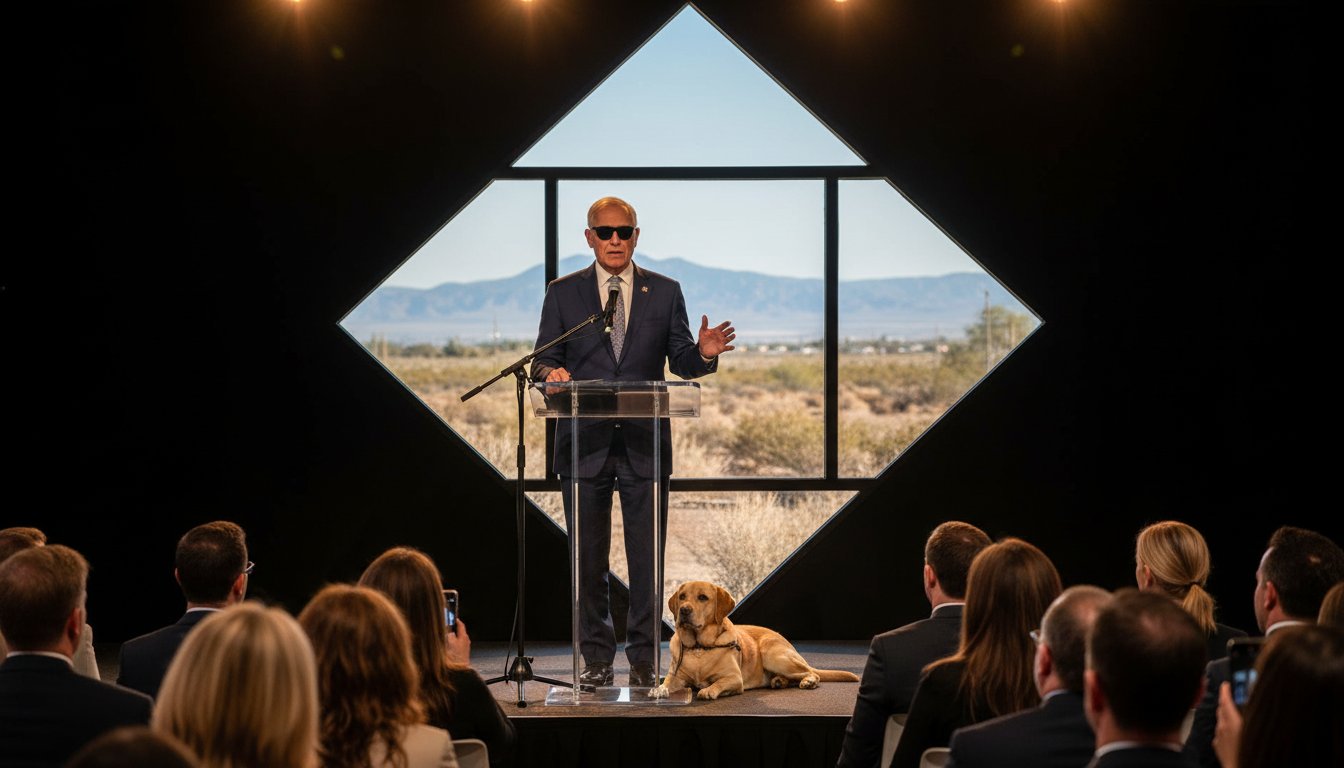
Michael Hingson didn’t just survive the descent of 78 flights of stairs in the North Tower on September 11, 2001; he led others to safety alongside his guide dog, Roselle. This wasn’t a story of luck. It was a masterclass in preparation and mutual reliance. When you choose to hire a 9/11 survivor speaker, you aren’t just booking a history lesson. You’re bringing a blueprint for high-stakes leadership into your boardroom. Michael’s signature keynotes, such as “The Art of Living with No Limits” and “Trust and Teamwork,” go beyond the events of that day. He helps organizations dismantle the perceived barriers of disability, showing how accessibility is a competitive advantage. His insights help teams see beyond their current limitations to find innovative solutions.
The “Unstoppable Mindset” Framework
Michael teaches teams that fear is a signal, not a stop sign. By reframing fear as a tool for heightened awareness, leaders can make clearer decisions under pressure. He challenges the traditional corporate obsession with “independence,” advocating instead for “interdependence.” In a hierarchy, true strength comes from the seamless bond between team members, much like the bond between a handler and a guide dog. You can learn more about building a resilient mindset through his specialized training sessions. This framework turns vulnerability into a strategic asset, allowing teams to navigate uncertainty with a calm, focused vision.
Booking Logistics and Next Steps
Bringing Michael to your next event is a streamlined process designed for busy executive teams. Whether you are hosting a global summit in London or a virtual town hall for 5,000 employees, Michael delivers a consistent, high-impact message. He is available for in-person keynotes, virtual summits, and deep-dive consulting sessions on corporate accessibility. When you contact Michael for an event, his team works with you to tailor the presentation to your specific organizational goals and cultural needs. If you’re looking for a keynote speaker who can help your team navigate uncertainty, build trust, and lead through change, Michael Hingson brings a perspective that few others can offer.
Leading Through Uncertainty with Vision and Trust
Deciding to hire a 9/11 survivor speaker is about more than recounting a historical event. It’s about equipping your team with a practical framework for resilience that holds up under modern corporate pressure. When Michael Hingson navigated 78 flights of stairs in the North Tower with his guide dog Roselle, he proved that trust and preparation are the ultimate tools for survival. As the New York Times Bestselling Author of “Thunder Dog,” Michael has spent over 20 years on global stages teaching executives how to move from fear to focused action.
His insights, featured on Larry King Live and CNN, provide a roadmap for leaders who want to build a culture of interdependence and inclusion. By choosing a speaker with a proven record of transforming adversity into leadership lessons, you ensure your event delivers more than just a story. You provide your team with an unstoppable mindset that persists long after the final applause. If you want to bring this level of clarity and confidence to your organization, you can book Michael Hingson for your next keynote event. Your team’s journey toward a more resilient future starts with a single step of trust.
Frequently Asked Questions
How much does it cost to hire a 9/11 survivor speaker?
Professional keynote speaker fees generally range from $10,000 to $50,000 depending on the speaker’s experience and the event’s requirements. For a high-profile survivor and 2002 New York Times bestselling author like Michael Hingson, the cost reflects the immense value of bringing a historical perspective into a modern corporate setting. This investment covers the speaker’s specialized preparation and the delivery of a transformative message that builds long-term organizational resilience.
Can a 9/11 survivor speaker address diversity and inclusion (DEI)?
A survivor speaker provides a unique and powerful lens for DEI by focusing on accessibility and the concept of interdependence. Michael Hingson uses his experience as a blind survivor to challenge the 1990 Americans with Disabilities Act’s minimum standards and move toward true inclusion. He teaches teams to see beyond physical sight, reframing blindness as a characteristic rather than a limitation to foster a culture where every individual’s contribution is recognized and valued.
Are 9/11 survivor speakers available for virtual corporate events?
Most professional speakers successfully adapted to virtual platforms following the 2020 global shift in event logistics. You can hire a 9/11 survivor speaker for remote summits or digital workshops using professional-grade streaming technology to ensure the emotional impact remains high. These virtual sessions allow global teams to engage with the Unstoppable Mindset without the logistical challenges or costs associated with international travel.
What topics do 9/11 survivor speakers typically cover for businesses?
These speakers focus on the core pillars of trust, adaptive leadership, and the psychology of resilience. Michael Hingson specifically addresses how to lead through uncertainty by building a foundation of interdependence, similar to the bond he shared with his guide dog, Roselle, during their descent of 1,463 stairs. Businesses learn how to navigate rapid change and replace the paralyzing effects of fear with a clear, focused vision for the future.
How far in advance should I book a keynote speaker for a conference?
You should aim to secure your speaker 6 to 12 months before your event date to ensure they’re available on your calendar. According to the 2024 State of the Event Industry report, lead times for high-demand speakers have increased as organizations return to large-scale in-person gatherings. Early booking provides the necessary time for the speaker to customize their presentation to your specific corporate goals and leadership challenges.
What is the difference between a motivational speaker and a keynote speaker?
A motivational speaker primarily aims to shift the audience’s emotional state, while a keynote speaker establishes the central theme and provides a strategic framework for the entire conference. While a survivor’s story is naturally moving, a keynote speaker like Michael Hingson delivers actionable leadership strategies that align with your organization’s mission. They act as a guide, offering the intellectual and emotional “north star” that informs every other session at your event.
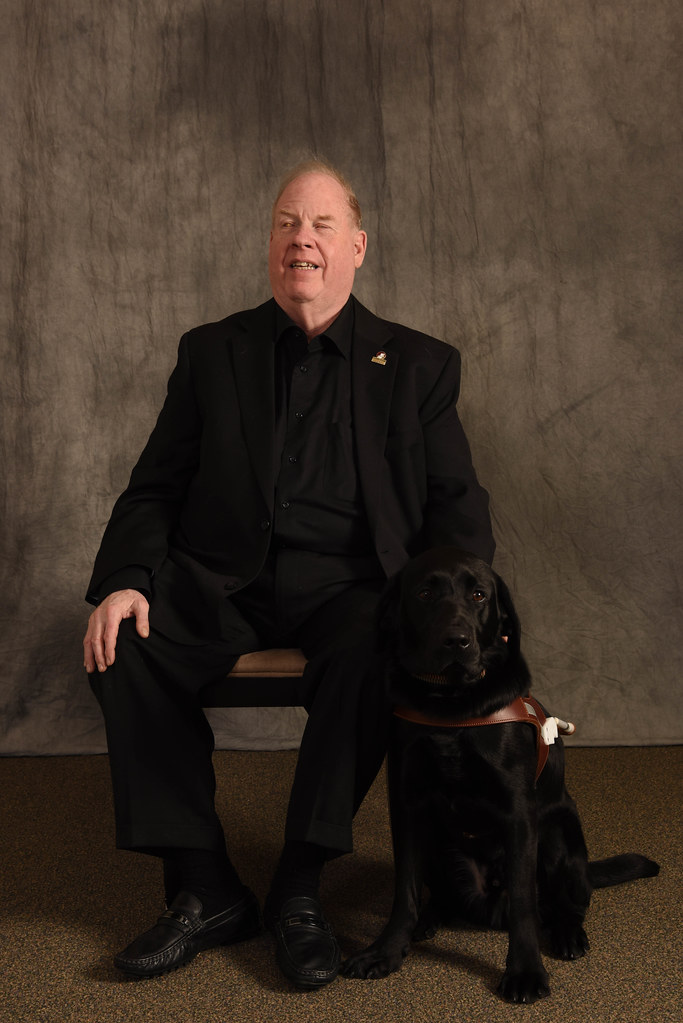
Article by
Michael Hingson
Michael Hingson is a keynote speaker, bestselling author of Thunder Dog, and a survivor of the September 11 World Trade Center attacks. Blind since birth, he brings a powerful and unique perspective on leadership, trust, and resilience in times of uncertainty.
He has spoken to organizations around the world, helping leaders and teams navigate change, build trust, and perform under pressure. His message combines real-world experience with practical insight that audiences remember long after the event ends.
👉 Book Michael Hingson for your next event.