Leading Through Crisis: Lessons in Trust and Resilience from a 9/11 Survivor
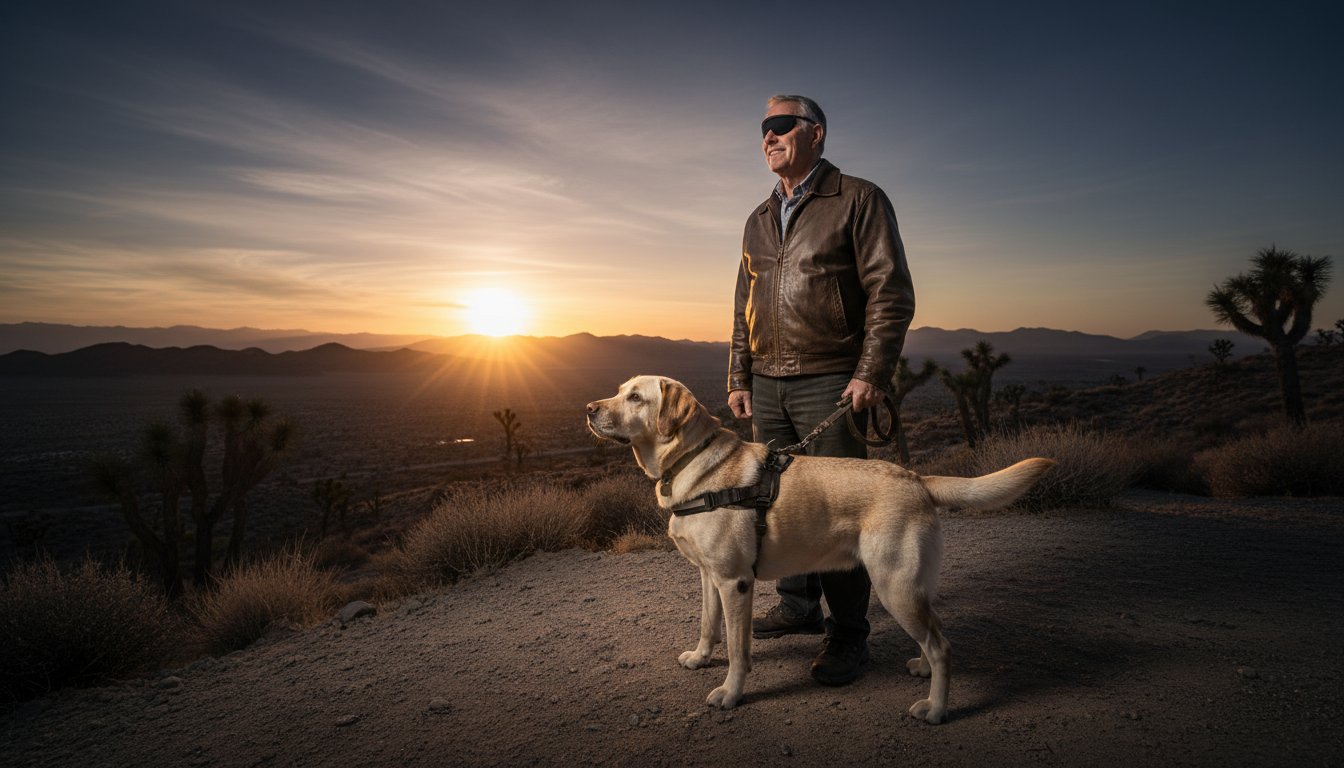
On September 11, 2001, I stood on the 78th floor of the North Tower as the floor tilted and the world changed forever. Beside me sat Roselle, my yellow Labrador guide dog, waiting for my cue with a calm that defied the surrounding chaos. In those 1,463 steps down to safety, I didn’t just survive; I learned the true weight of leading through crisis. It wasn’t about physical sight; it was about the vision to trust a partner and a process when the path wasn’t clear.
You probably know the feeling of a sudden, high-stakes moment where decision paralysis starts to creep in. It’s exhausting to watch team communication crumble while you’re battling your own emotional burnout. You’ll learn how to transform that organizational friction into a catalyst for growth by using the principles of radical trust and an unstoppable mindset. I’ll show you how to stabilize your team’s morale even when the environment feels volatile. We’re going to walk through a concrete framework that shifts your perspective from reactive panic to proactive, visionary leadership.
Key Takeaways
- Redefine crisis as a period of rapid, non-negotiable change that demands proactive preparation rather than reactive panic.
- Strengthen your ability for leading through crisis by embracing radical trust and the power of interdependence over the myth of independence.
- Gain insights from Michael’s 78-floor descent on September 11th to see how calmness and clarity can guide a team through the dark.
- Learn to prioritize human well-being and radical transparency to build an organization that values people over rigid processes.
- Adopt an Unstoppable Mindset to transform your leadership style from one of survival to one of thriving through every future challenge.
Redefining Crisis: Why Preparation Trumps Panic
A crisis often feels like a sudden blackout. You’re walking through your daily routine when the lights vanish, leaving you to navigate a landscape that no longer makes sense. Many people view a crisis as a terminal point, a final stop where progress dies. I see it differently. A crisis is actually a period of rapid, non-negotiable change. It is a transition, not a destination. On September 11, 2001, at 8:46 AM, when the first plane struck the North Tower, my world didn’t end; it shifted. Success in leading through crisis depends on whether you treat the event as a tragedy to survive or a process to manage.
The difference between reactive management and proactive leadership is the difference between panic and purpose. Reactive managers wait for the dust to settle before looking for a map. Proactive leaders have already memorized the exits. To understand the foundations of this field, one might ask What is crisis management? and find that it involves much more than just putting out fires. It requires a vision that acts as an anchor when the environment becomes blind. When you can’t see the path ahead, your internal compass must be calibrated to your core values before the storm hits.
The Anatomy of a Leadership Crisis
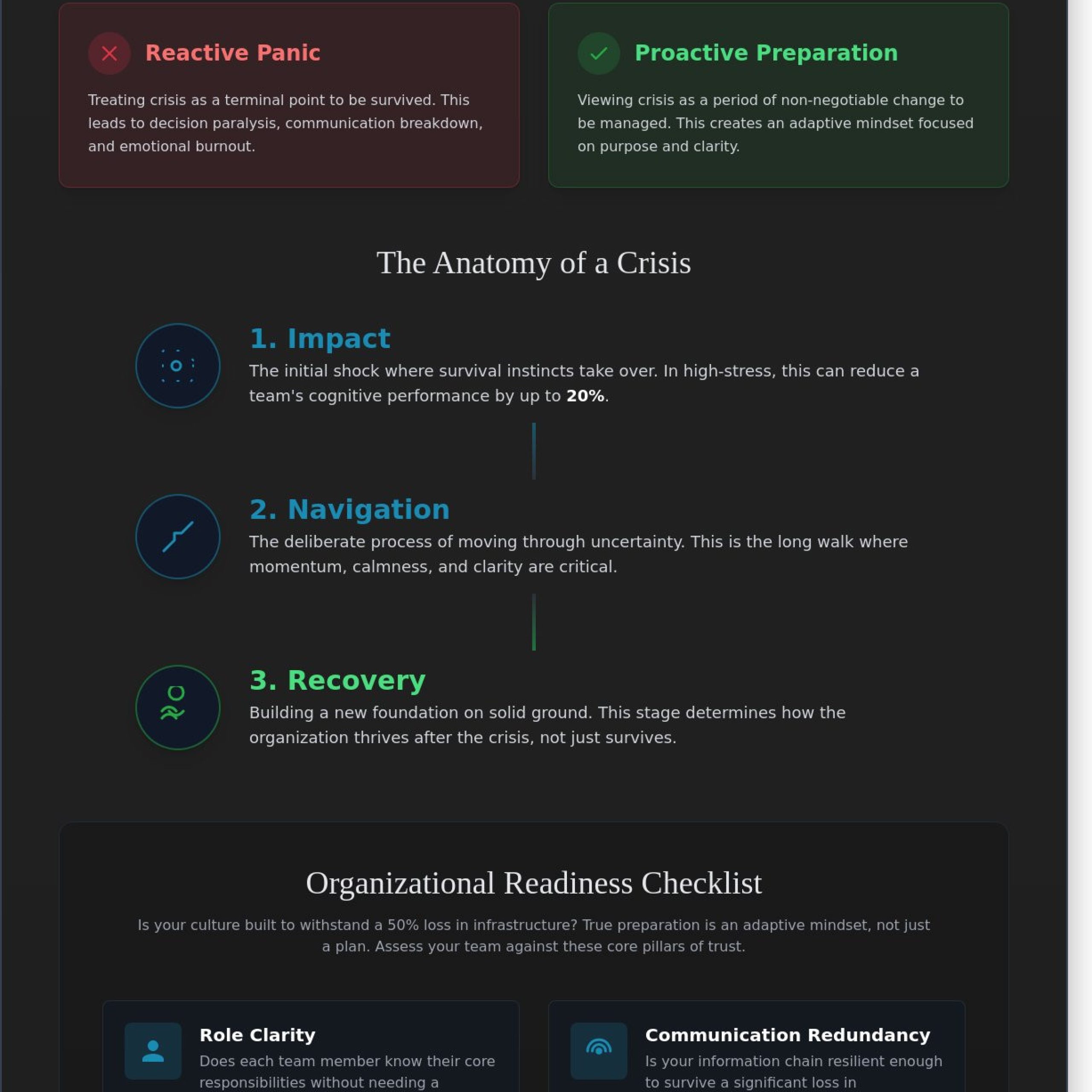
Every crisis follows a predictable trajectory through three distinct stages: Impact, Navigation, and Recovery. The Impact stage is the immediate shock where survival instincts take over. On the 78th floor of the North Tower, this was the moment of the explosion. Navigation is the long, deliberate walk down the stairs, where you must maintain momentum despite the smoke. Recovery is the process of building a new foundation once you’re on solid ground. During these stages, uncertainty takes a heavy psychological toll. Research suggests that high-stress environments can reduce a team’s cognitive performance by as much as 20 percent. Crisis leadership is the ability to maintain direction when the destination is obscured.
Preparation as a Leadership Characteristic
Preparation isn’t a folder in a filing cabinet. It is a mindset. Long before 2001, I made it a habit to practice situational awareness. I knew where the stairs were on my floor because I had walked them. This wasn’t about fear; it was about trust. I trusted my guide dog, Roselle, but I also trusted my own preparation. We didn’t just have an emergency plan. We had an adaptive mindset that allowed us to move through 1,463 steps of uncertainty with calm. True leading through crisis happens months or years before the crisis begins. It is the work you do when things are quiet that determines how you’ll perform when things get loud. This is the heart of the Unstoppable Mindset.
Use this checklist to assess your current organizational readiness:
- Role Clarity: Do your team members know their primary responsibilities without looking at a manual?
- Communication Redundancy: Is your information chain resilient enough to survive a 50 percent loss in infrastructure?
- Trust Equity: Have you fostered a culture of interdependence where trust is the primary currency?
- Vision Stability: Can your core mission remain steady even if your 12 month goals are erased?
By shifting your focus from “emergency plans” to “adaptive mindsets,” you empower your team to see beyond the immediate chaos. You teach them that while we can’t always control the environment, we can always control our response. Preparation doesn’t just save time; it saves lives and preserves the spirit of the organization.
The Foundation of Crisis Leadership: Building Radical Trust
Trust is often described as a soft emotion or a warm feeling shared between colleagues. In my experience, that definition is far too small. Trust is a functional tool. It’s the mechanical gear that allows a team to move forward when the path ahead is shrouded in smoke. When you’re leading through crisis, trust isn’t a luxury; it’s the only asset that matters. It’s the currency you spend to buy time, safety, and collective action. If you haven’t made regular deposits into that account during calm times, you’ll find yourself bankrupt when the alarms start ringing.
On September 11, 2001, at 8:46 AM, my world changed instantly. I was on the 78th floor of the North Tower with my guide dog, Roselle. We had to descend 1,463 steps in a crowded, narrow stairwell. I didn’t survive that day because I was independent. I survived because of interdependence. We’re often taught that independence is the ultimate goal of a successful professional, but that’s a dangerous myth. True leadership requires an admission that we cannot do it alone. I trusted Roselle to lead me through the physical obstacles, and she trusted me to keep my head clear and give the right commands. We didn’t just work together; we functioned as a single unit because our trust was absolute.
Many leaders fail because they try to control every variable themselves. They mistake management for leadership. Understanding the difference between Leading vs. managing in a crisis is vital for survival. Management is about systems and checklists; leadership is about the human connection that keeps those systems running when they’re under fire. When the pressure is on, your team won’t follow a checklist. They’ll follow the person they trust to see them through the dark.
Seeing Beyond Sight: The Visionary Leader
Vision isn’t about physical eyesight. It’s about internal clarity. As a blind leader, I’ve learned that “seeing” is really about perceiving the potential in your team and the reality of your environment. During dark times, your team looks to you to provide a mental map. You must see the strengths in your people that they might miss in their own moments of fear. Rethink your own perceived limitations. A leader’s job is to shine a light on the path forward, even if they’re walking that path with their own set of challenges. This internal vision creates the stability your team craves.
The Mechanics of Interdependence
Interdependence is the synergy of individual strengths moving toward a common goal. It’s the reason a well-trained team can make decisions in seconds while a group of “independent” experts might freeze. In high-pressure environments, trust accelerates everything. If I had stopped to question every one of Roselle’s movements in that stairwell, we wouldn’t have made it out. You can learn more about how these bonds are formed by exploring the true importance of teamwork in high-stakes scenarios. When you’re leading through crisis, you must empower your team to act on their expertise without waiting for permission. That’s the hallmark of an Unstoppable Mindset that turns obstacles into opportunities for growth.
Navigating the Descent: Lessons from the World Trade Center
On September 11, 2001, at 8:46 AM, the world as I knew it shifted. I was working on the 78th floor of the North Tower when a sudden, violent shudder threw the building nearly 20 feet to the side. The air instantly filled with the sharp, metallic scent of jet fuel. In that moment of absolute uncertainty, I reached for my guide dog, Roselle. She wasn’t barking or trembling; she sat calmly, her tail giving a steady, reassuring wag against the carpet. Her behavior was a signal. It told me that while the environment was in chaos, we could still function. Leading through crisis begins with this internal pivot. It’s the decision to process the environment through a lens of preparation rather than panic. We began our descent down 1,463 steps, a journey that required every ounce of trust we had built over our years together.
Calmness is Contagious
A leader’s emotional state dictates the team’s survival capacity. During our 60 minute descent, I maintained a steady, rhythmic pace in my speech to anchor those walking with me. Research shows that effective leadership traits in a crisis include the ability to project empathy while remaining decisive. If you project terror during a high stakes meeting, your team will freeze. In a crisis, your team will mirror your heartbeat before they follow your words.
Trusting the Guide: Leadership Lessons from Roselle
Roselle’s focus on her specific job allowed me to focus on the people around me. This is the essence of interdependence. She trusted her harness and her training, which enabled me to lead with clarity. A leader’s preparation is much like a guide dog’s training; it must happen long before the emergency begins. When you trust your team’s expertise, you free yourself to navigate the broader strategy of leading through crisis.
As we moved lower, the air grew heavy with dust and the sounds of the building’s distress. I used sensory-rich language to keep my colleagues focused on the present moment. I spoke about the coolness of the handrail and the rhythmic thud of our footsteps. This steady pacing prevented the group from being overwhelmed by the magnitude of the disaster. We didn’t focus on the 78 floors; we focused on the next ten steps. This strategy of incremental progress is vital for any team facing a major disruption. It transforms an impossible obstacle into a series of achievable tasks. By leading by example, I showed that even in total darkness, there is a way forward if you move with intention.
- Use a deliberate, low vocal register to signal safety to your staff.
- Acknowledge the reality of the situation without catastrophizing the outcome.
- Maintain a consistent physical or verbal presence to prevent team isolation.
- Prioritize the immediate well-being of the person to your left and right.
By the time we exited the tower at approximately 9:45 AM, just moments before the South Tower collapsed, our group had moved with a level of coordination that only comes from deep-seated trust. We didn’t escape because we were lucky; we escaped because we practiced a mindset of resilience. This is the Unstoppable Mindset in action. It’s the realization that even when you cannot see the path ahead, you can still lead your team to safety by trusting your preparation and your partners. Every step downward was a testament to the power of a calm heart and a focused mind.
5 Practical Strategies for Leading Through Crisis
On September 11, 2001, I didn’t have the luxury of a visible exit. As I stood on the 78th floor of the North Tower with my guide dog, Roselle, I realized that leading through crisis isn’t about seeing the finish line. It’s about trusting the next step. True leadership in a storm requires an Unstoppable Mindset that prioritizes human connection over corporate control. Here are five strategies to help your team navigate their darkest hours with confidence and grace.
- Communicate with Radical Transparency: Trust is built on the truth, even when it’s uncomfortable. A 2023 study by the Edelman Trust Barometer found that 71% of employees expect their leaders to be honest about the challenges a company faces. Don’t offer false hope. Offer clarity. If you’re unsure of the outcome, admit it. Your vulnerability will invite your team to lean in rather than pull away.
- Prioritize People Over Processes: Your standard operating procedures weren’t built for a catastrophe. In a crisis, the well-being of your team is your only priority. When people feel safe, they perform; when they feel like a cog in a broken machine, they shut down. I remember how important it was to stay calm for Roselle. She mirrored my energy. Your team will mirror yours.
- Maintain Situational Awareness: You must constantly scan the horizon for shifting variables. This is the same way I rely on my other senses to alert me to obstacles I can’t see. Stay present and keep your ears open to the subtle changes in your environment. A 2021 survey showed that 64% of business failures during crises were due to a lack of environmental scanning.
- Empower Micro-Leadership: You cannot micromanage a disaster. Give your team members the authority to make decisions in their specific domains. This interdependence creates a resilient web of leadership rather than a single point of failure. On the stairs of the North Tower, I had to trust the people around me to do their jobs so I could focus on mine.
- Pivot with Purpose: When you need to change direction, explain the “why” behind the shift. Data from a 2022 McKinsey report shows that teams are 70% more likely to embrace a pivot when they understand the underlying logic. Don’t just give orders. Give context.
Communication Under Pressure
When the pressure mounts, your team needs a steady drumbeat of information. If you don’t fill the silence, fear will. I recommend a “Crisis Update” structure: state the hard facts, explain the immediate impact, outline the next three steps, and close with a message of shared resilience. Aim to communicate every 24 hours during the peak of a crisis. Over-communication is the only way to prevent the rumor mill from grinding down productivity. For a deeper dive into these protocols, check out the How to Lead Your Team Through a Major Crisis guide.
Empowering Your Team to Act
High-stakes delegation requires letting go of the ego. When you are leading through crisis, you must foster psychological safety, a term coined by Harvard professor Amy Edmondson. This is an environment where team members feel safe to report errors or suggest radical ideas without fear of retribution. To keep everyone aligned, implement a “10-minute huddle” every morning. Each person shares one win from yesterday, one goal for today, and one obstacle. This rapid alignment ensures no one is left behind in the dark and every voice is heard before the day begins.
Leadership is a journey of service and adaptive living. If you’re ready to transform how your organization handles pressure and build a culture of trust, book a keynote session to learn more about the Unstoppable Mindset.
Cultivating an Unstoppable Mindset for Future Challenges
An Unstoppable Mindset isn’t a temporary tactic you pull off a shelf when the fire alarm rings; it’s a permanent state of being. It’s the internal compass that guides you when the lights go out and the path forward is obscured by smoke and debris. While many leaders focus on simply getting through the day, true excellence comes from shifting your perspective. You don’t just survive the storm; you use the wind to propel yourself forward. This shift transforms a crisis from a threat into a catalyst for evolution. It’s about learning to see with a clarity that transcends physical vision, focusing on what’s possible rather than what’s lost.
When you’re leading through crisis, the goal is to move your team from a defensive crouch to a proactive stride. A 2023 PwC survey revealed that 76% of business leaders believe their organizations emerged stronger after their last major disruption. This isn’t accidental. Thriving requires a commitment to adaptive living, where every obstacle is viewed as a lesson in disguise. By the time the dust settles, your team shouldn’t just be back to normal. They should be more unified, more focused, and more capable than they were before the challenge began.
The Post-Crisis Audit
Once the immediate danger subsides, your work as a leader truly begins. You must conduct a post-crisis audit to identify the “gifts” your team discovered under pressure. Perhaps a junior manager showed unexpected grit, or your team found a way to cut project turnaround times by 15% out of sheer necessity. These aren’t just lucky breaks; they’re institutional assets. Resilience doesn’t appear out of thin air during a catastrophe. True resilience is a muscle built through repeated use; it’s the result of every small decision made long before the breaking point.
Strategies for institutionalizing trust are vital during this phase. On September 11, 2001, trust wasn’t a concept; it was a lifeline. You must take the bonds formed during hardship and weave them into your daily operations. A 2022 Gartner study found that 60% of employees are experiencing high levels of change fatigue. To combat this, leaders must turn the lessons of the past into the foundation for the future. By documenting what worked and celebrating the importance of teamwork in building radical trust, you ensure that the trust built in the heat of the moment doesn’t evaporate when things get quiet again.
Bring the Lesson to Your Organization
Michael Hingson lived these principles on the morning of September 11, 2001, at 8:46 AM. In his keynote, “Trust and Teamwork: Lessons from the World Trade Center,” he shares how he and his guide dog, Roselle, successfully navigated 1,463 steps to safety. This isn’t just a story of survival; it’s a masterclass in preparation and partnership. Michael brings a unique survivor’s perspective to corporate audiences, teaching them how to see beyond their perceived limitations. He challenges the “handicap” label and replaces it with a focus on high-level leadership and inclusion.
Michael’s keynote provides a blueprint for teams that want to move beyond reactive management. He demonstrates that if he could lead others down 78 flights of stairs in the North Tower, any team can overcome their internal silos through trust. By bringing Michael to your organization, you’re not just booking a speaker. You’re inviting a guide who can help your team build a culture of safety and reliability. Every challenge is an invitation to grow, provided you have the right mindset to accept it. To start this journey, book Michael Hingson for your next leadership event and transform how your organization views the next inevitable hurdle.
Mastering the Descent Toward New Opportunities
True leadership isn’t about having all the answers during a disaster. It’s about the preparation you’ve done long before the sirens start. On September 11, 2001, my guide dog Roselle and I navigated 1,463 steps down the North Tower because we had a foundation of radical trust. You can build that same resilience within your organization by prioritizing interdependence over isolation and preparation over panic. Leading through crisis requires a shift in vision; it’s about seeing the potential in your team even when the path ahead looks dark. We’ve explored how a mindset of inclusion and adaptive living transforms obstacles into opportunities for growth. These lessons from the World Trade Center aren’t just survival stories; they’re blueprints for modern leadership. As the New York Times Bestselling Author of Thunder Dog and host of the Unstoppable Mindset Podcast, I’ve shared these strategies with thousands of professionals worldwide. You don’t have to face the unknown alone. Bring Michael Hingson’s Unstoppable Mindset to Your Leadership Team and start building your foundation of resilience today. Your greatest triumphs begin in the moments you choose to trust your team and move forward together.
Frequently Asked Questions
What is the most important trait for leading through crisis?
Trust is the most vital trait when leading through crisis because it creates a bond of interdependence between you and your team. During the descent of 1,463 stairs in the North Tower on September 11, 2001, Michael relied on his guide dog Roselle because they had built a foundation of mutual respect. Leaders must demonstrate this same consistency. When you show up with transparency, your team feels safe enough to follow your direction into the unknown.
How can a leader build trust quickly when a crisis hits?
Leaders build trust quickly by practicing radical transparency and acknowledging the reality of the situation immediately. You can’t wait for perfect information; instead, share what you know at 9:00 AM and update it by 1:00 PM. Michael Hingson often emphasizes that trust isn’t a gift; it’s a bridge built through shared vulnerability. When you admit you don’t have all the answers but commit to finding them together, you solidify that bridge.
How do you maintain team morale during prolonged uncertainty?
Maintaining morale requires a shift from long-term goals to immediate, achievable milestones. In a 2023 study by the American Psychological Association, 71 percent of employees reported feeling stressed during organizational changes. To counter this, highlight three specific successes every week. This focus on seeing progress keeps the team moving forward. You must act as a guide who points out the light even when the path ahead remains obscured by dust and debris.
What is the difference between crisis management and crisis leadership?
Crisis management focuses on the logistics of the response plan, while leading through crisis focuses on the human spirit. Management might involve securing the building or rerouting servers; leadership involves calming the 25 people in your department. Michael teaches that leadership requires an Unstoppable Mindset that looks beyond the immediate chaos. Managers fix the problem, but leaders inspire the people to become part of the solution.
How does Michael Hingson’s experience as a blind professional inform his leadership advice?
Michael’s experience as a blind professional informs his leadership by proving that sight is not the same as vision. He navigated the 78th floor of the World Trade Center not with his eyes, but through a deep partnership with his guide dog. This taught him that leadership is about interdependence rather than rugged individualism. He uses his 50 years of lived experience to show that limitations are often just perceptions we can choose to ignore.
Can an unstoppable mindset be taught, or is it an innate trait?
An unstoppable mindset is a skill that anyone can develop through intentional practice and psychological reframing. It isn’t a rare gift given to a few; it’s a choice to view obstacles as opportunities for growth. Michael has spent over 20 years teaching audiences how to shift their perspective. By changing the internal narrative from “I can’t” to “How can I,” individuals transform their capacity to handle pressure and lead others effectively.
What should a leader do if they feel they are losing control during a crisis?
If you feel you’re losing control, you must stop and return to the foundational principles of trust and preparation. Panic happens when we lose our connection to our team or our purpose. Michael suggests taking a blind approach by tuning out the visual noise and focusing on the core facts. Re-establish your first priority, communicate it clearly, and lean on your team’s collective strength to regain your footing.
How can I book Michael Hingson to speak about leadership and trust?
You can book Michael Hingson for your next event by visiting his official website and filling out the speaker request form. He has delivered over 1,000 presentations globally, sharing his story of resilience and the Unstoppable Mindset. Whether you need a keynote for a corporate retreat or a virtual workshop, his team will help you tailor a message that inspires your organization to lead with greater trust and clarity.
Article by
Michael Hingson
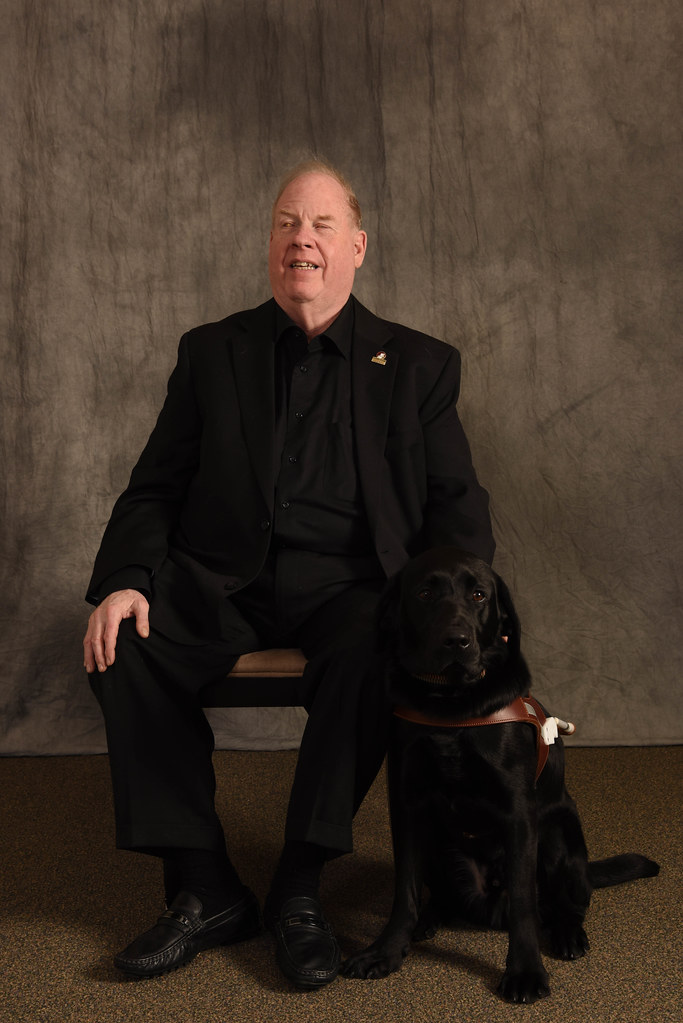
Michael Hingson is a keynote speaker, bestselling author of Thunder Dog, and a survivor of the September 11 World Trade Center attacks. Blind since birth, he brings a powerful and unique perspective on leadership, trust, and resilience in times of uncertainty.
He has spoken to organizations around the world, helping leaders and teams navigate change, build trust, and perform under pressure. His message combines real-world experience with practical insight that audiences remember long after the event ends.
👉 Book Michael Hingson for your next event.