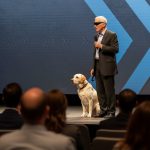
Disability Inclusion in the Workplace Speaker: Transforming Culture Through Trust
What if the most powerful tool for building corporate trust isn’t a new management framework, but a fundamental shift in how you perceive the human potential right in front of you? Many leaders admit that inclusion often feels like a compliance checkbox, leaving them worried about saying the wrong thing or failing to spark genuine engagement. While the April 24, 2026, deadline for digital accessibility compliance is a pressing reality for many public entities, the true value of a disability inclusion in the workplace speaker lies in building a foundation of resilience that outlasts any regulation.
In this article, you’ll discover how to move your organization beyond compliance toward a culture of radical trust and interdependence. We’ll explore actionable strategies for accessibility and discuss how a “no limits” mindset transforms disability from a perceived barrier into a characteristic of a high-performing team. By the end, you’ll see how shifting your perspective can unlock a level of teamwork and innovation that traditional leadership training rarely reaches.
Key Takeaways
- Shift your organizational mindset from basic ADA compliance to a proactive culture that embraces disability as a characteristic rather than a barrier.
- Learn how the profound trust between a guide dog and handler serves as a blueprint for high-stakes teamwork and leadership during times of crisis.
- Discover how a disability inclusion in the workplace speaker translates lived experiences into actionable strategies that move teams toward radical interdependence.
- Identify how to implement accessibility audits that look beyond physical ramps to address digital barriers and cultural misconceptions.
- Empower your visually impaired professionals by integrating adaptive technologies like JAWS screen readers to ensure every voice is heard and valued.
The Evolution of Disability Inclusion: Moving from Compliance to Culture
For too long, organizations have treated inclusion as a series of legal hoops to jump through. It’s often viewed through the narrow lens of the Americans with Disabilities Act (ADA), focusing solely on physical accommodations like ramps or digital requirements. This is compliance, not culture. True diversity and inclusion in the workplace involves the proactive engagement of diverse perspectives. It means inviting people with disabilities to the table because their unique problem solving skills are essential, not because a regulation demands it.
A disability inclusion in the workplace speaker helps bridge this gap by introducing the “No Limits” philosophy. This framework teaches that blindness, or any other disability, is merely a characteristic. It’s a part of who someone is, but it isn’t a barrier to what they can achieve. To foster this, leaders must move past Understanding Ableism in the Workplace and start seeing the person behind the label. When we stop focusing on what someone can’t do, we finally begin to see the vast landscape of what they can contribute.
Why This Matters for Leaders and Organizations
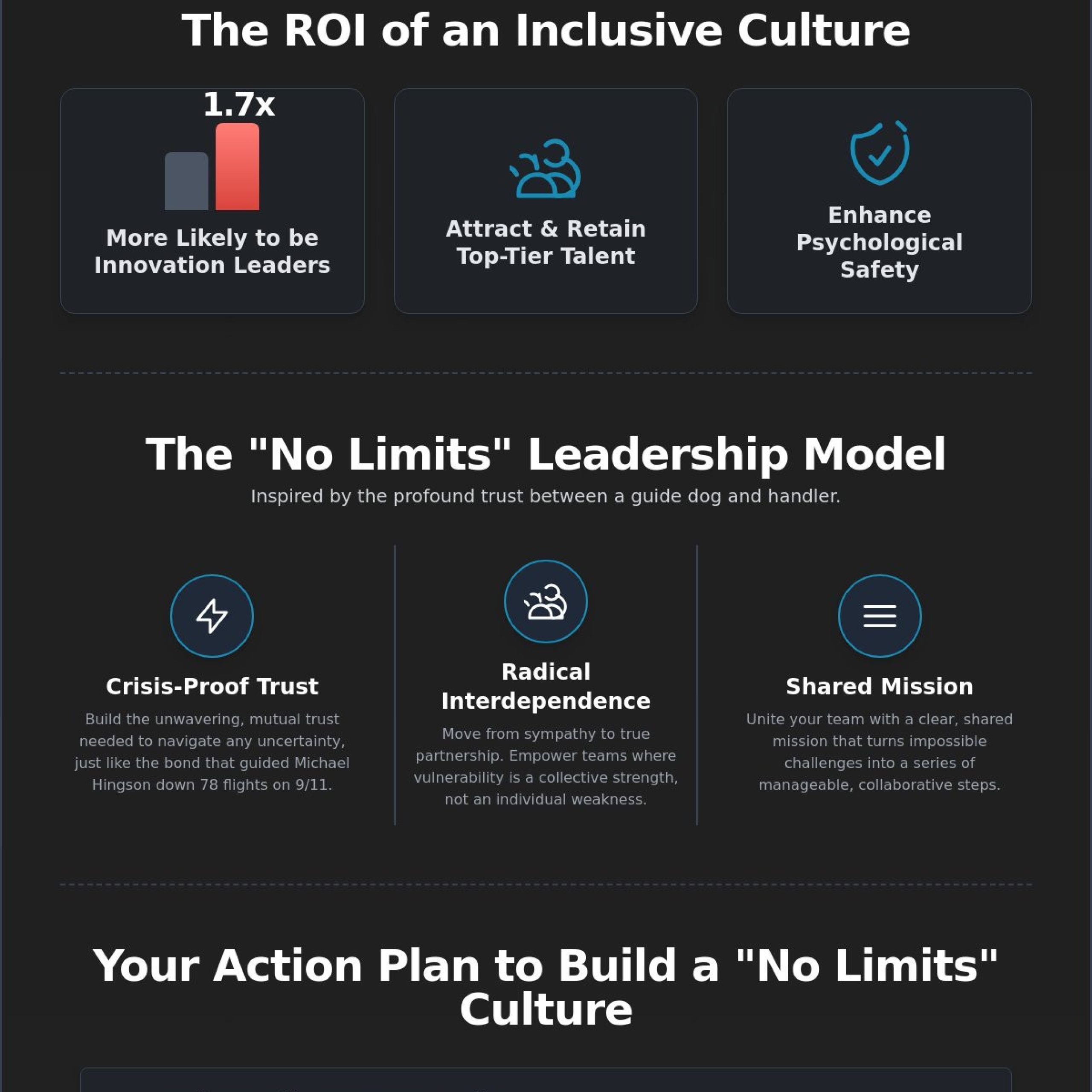
Inclusion isn’t just a moral choice. It’s a competitive advantage. Research indicates that inclusive teams are 1.7x more likely to be innovation leaders in their respective markets. When you build a culture of accessibility, you do more than just help a few employees. You create an environment of psychological safety that reduces turnover and attracts top-tier talent who value authenticity and resilience. It’s about building a workforce that is prepared for anything.
Perceiving Beyond the Surface
Many executives suffer from a form of “visual blindness.” They look at a disabled employee and see only what they perceive as a limitation, ignoring the profound resilience and adaptive thinking that individual brings to the team. We must learn to see beyond the surface. Disability inclusion is a strategic asset for 2026 corporate resilience that transforms how teams navigate uncertainty together. It’s time to stop looking and start seeing.
- Inclusion is a leadership imperative that drives both innovation and psychological safety.
- Moving from compliance to culture requires a shift in perception, treating disability as a characteristic rather than a barrier.
Why a Disability Inclusion Speaker Must Bridge the Gap Between Story and Strategy
A great speaker does more than deliver data. They weave a narrative that transforms how a team functions at its core. When Michael Hingson speaks about descending 78 flights of stairs in Tower One during the 9/11 attacks, he isn’t just recounting a tragedy. He is illustrating a profound lesson in interdependence. This level of storytelling is why a disability inclusion in the workplace speaker is vital. It moves the conversation Beyond Legal Compliance and into the heart of human connection. By sharing lived experiences, a speaker helps your team move from sympathy, which often isolates, to partnership, which empowers.
The bond between a handler and a guide dog isn’t built on simple commands. It’s built on a mutual, unwavering trust. This mirrors the relationship needed between leaders and their teams, especially when navigating the fog of uncertainty. If you can trust a partner to guide you through a literal life and death crisis, you can certainly build that same foundation in your office. When a disability inclusion in the workplace speaker shares these lessons, they provide a roadmap for turning vulnerability into a collective strength.
Leadership Lessons from Tower One
Success in a crisis isn’t accidental. It’s the result of preparation and a culture of leadership and trust. Michael’s experience shows that when fear is managed through a shared mission, the impossible becomes a series of manageable steps. Teams that practice this kind of radical trust are better equipped to handle market shifts and internal changes without losing momentum.
The ROI of an Unstoppable Mindset
When employees see disability as a set of characteristics rather than a list of limitations, their own perceived boundaries begin to dissolve. This mindset creates a workforce that views challenges as puzzles to be solved rather than walls that stop progress. Trust is the only currency that matters in a crisis, and it’s earned through consistent, authentic engagement.
If you’re ready to inspire your team to see beyond their current horizon, discover how The Art of Living with No Limits Keynote can transform your next event.
- Storytelling translates high-stakes experiences into tactical lessons on interdependence.
- Trust is the essential currency for navigating organizational uncertainty and crisis.
Implementing a ‘No Limits’ Strategy: Beyond the Keynote
A powerful presentation serves as a catalyst for change, but the real work begins when the lights come up. To move beyond a single event, leadership must bridge the gap between inspiration and infrastructure. A disability inclusion in the workplace speaker provides the vision. It’s up to the organization to build the road. This starts with a comprehensive accessibility audit. Don’t just look for physical ramps. You must identify digital and cultural barriers that prevent full participation. While you must adhere to federal laws protecting individuals with disabilities, your goal is to exceed those standards to create a space where everyone thrives.
Corporate Accessibility and Digital Inclusion
By April 24, 2026, many public entities must ensure their digital content meets WCAG 2.1 Level AA standards. This isn’t just a regulatory hurdle; it’s a prerequisite for a truly inclusive workplace. Integrating adaptive technology is a core part of this shift. Tools like JAWS screen readers empower visually impaired professionals to contribute at their highest level. For a deeper dive into these requirements, see our Corporate Accessibility Guide.
The Role of Consulting in Sustaining Change
If the keynote is the spark, then strategic consulting is the fuel. Sustaining a “No Limits” culture requires ongoing effort and an inclusive mentorship program that pairs disabled and non-disabled employees. This fosters mutual understanding and breaks down the isolation often felt by those with disabilities. For continuous growth, Michael’s Unstoppable Mindset Podcast offers a wealth of stories and leadership lessons to keep the conversation alive.
If you’re looking for a keynote speaker who can help your team navigate uncertainty, build trust, and lead through change, Michael Hingson brings a perspective that few others can offer. Please contact Michael Hingson to discuss how we can transform your organization’s inclusion strategy together.
- Conduct audits that address cultural and digital barriers, not just physical ones.
- Use adaptive technology and mentorship to turn inclusion into a daily practice.
Building a Future Without Perceived Limits
Transforming your organization requires more than just meeting a legal deadline for digital accessibility. It demands a fundamental shift in perception where every team member is valued for their unique characteristics rather than judged by their perceived limitations. By moving from a mindset of compliance to one of radical trust, you create an environment where resilience is the norm and innovation is inevitable. True inclusion isn’t a destination but a continuous practice of seeing the person behind the label.
Michael Hingson, a New York Times Bestselling Author of ‘Thunder Dog’ and a 9/11 survivor, serves as a global keynote authority who bridges the gap between visceral experience and tactical leadership. As an expert in JAWS and adaptive technology training, he provides the practical tools necessary to sustain change long after the final applause. Engaging a disability inclusion in the workplace speaker is the first step toward building a workforce that perceives beyond the surface and embraces the full potential of every individual.
If you’re looking for a keynote speaker who can help your team navigate uncertainty, build trust, and lead through change, Michael Hingson brings a perspective that few others can offer. Together, we can build a workplace where the only limit is our collective imagination. Let’s move forward with clarity and confidence.
Frequently Asked Questions
What should I look for in a disability inclusion speaker for my corporate event?
You should prioritize a speaker who combines authentic lived experience with actionable leadership strategies. A truly effective disability inclusion in the workplace speaker doesn’t just share a story of survival; they translate that experience into a framework for your team to build trust and interdependence. Look for someone who moves beyond the medical model of disability and instead focuses on adaptive living and high-level leadership training.
How does disability inclusion improve overall workplace productivity?
Inclusion improves productivity by fostering a culture of psychological safety where employees feel empowered to contribute their unique perspectives. When an organization embraces diverse ways of problem solving, it often sees a boost in innovation. By removing cultural and digital barriers, you allow every professional to operate at their full potential. This naturally drives better results and reduces costly employee turnover across the entire organization.
Can a keynote speaker help with ADA compliance and legal requirements?
A keynote speaker serves as a powerful catalyst for compliance by highlighting the practical gaps between legal requirements and a truly accessible culture. While the speaker provides the inspirational vision, they can also offer tactical paths forward, such as accessibility consulting or training in adaptive technologies. This helps leadership understand that compliance is merely the floor, while true inclusion is the ceiling of what a team can achieve together.
What is the difference between a disability awareness speaker and an inclusion speaker?
The difference lies in the shift from passive observation to active partnership. A disability awareness speaker typically focuses on educating an audience about the existence of barriers. In contrast, a disability inclusion in the workplace speaker focuses on dismantling those barriers through strategic action and a “No Limits” philosophy. Inclusion is about seeing disability as a characteristic and integrating those diverse strengths into the fabric of your organizational goals.
How can we measure the impact of a DEI keynote on our organizational culture?
You can measure impact through a combination of qualitative employee engagement surveys and quantitative data, such as retention rates and accessibility audit results. Look for shifts in how your team discusses disability and trust in post-event feedback. A successful engagement should lead to increased participation in mentorship programs and a more proactive approach to digital accessibility throughout the organization, reflecting an unstoppable mindset.
Article by
Michael Hingson
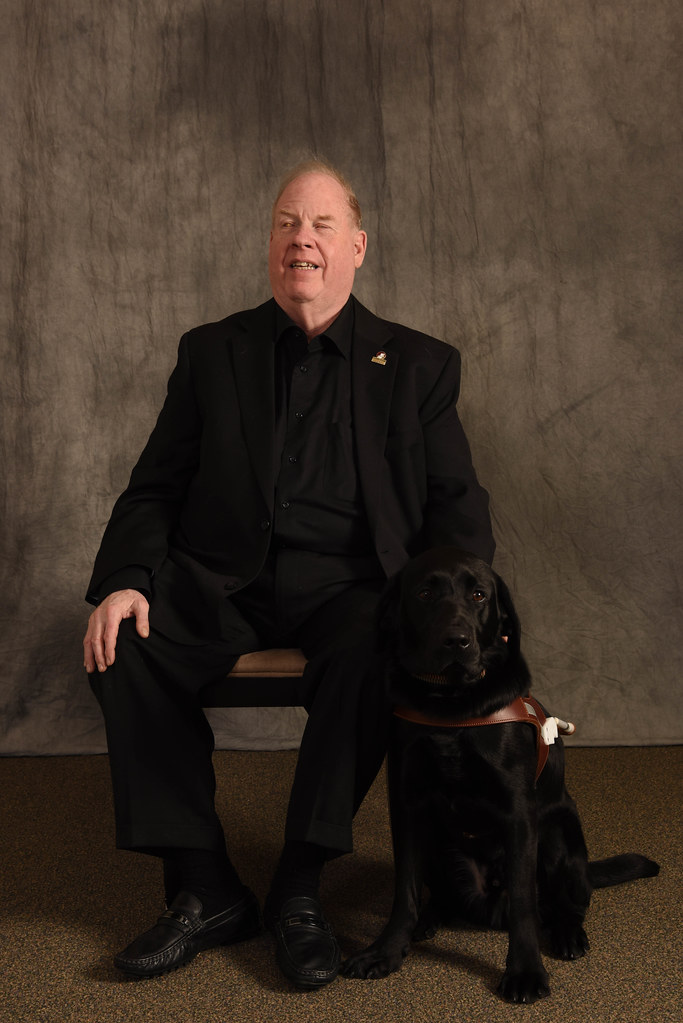
Michael Hingson is a keynote speaker, bestselling author of Thunder Dog, and a survivor of the September 11 World Trade Center attacks. Blind since birth, he brings a powerful and unique perspective on leadership, trust, and resilience in times of uncertainty.
He has spoken to organizations around the world, helping leaders and teams navigate change, build trust, and perform under pressure. His message combines real-world experience with practical insight that audiences remember long after the event ends.
👉 Book Michael Hingson for your next event.