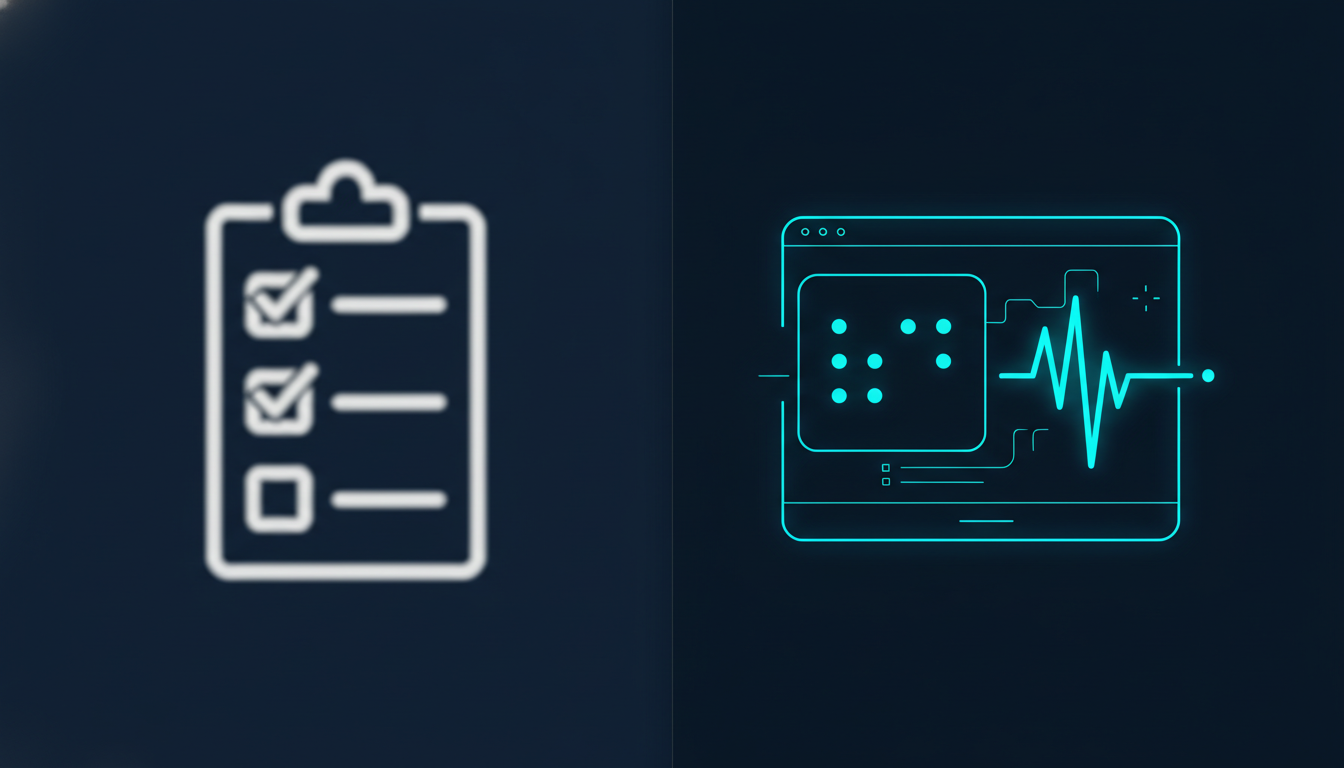
Blindness Inclusion vs. General Disability Inclusion at Work: What’s the Real Difference?
Blindness Inclusion vs. General Disability Inclusion at Work: What’s the Real Difference?
Blindness inclusion at work requires specialized non-visual workflows, screen reader optimization, and tailored productivity tools — not the generic disability checklists that broad inclusion programs typically provide.
I’ve been blind since birth, and I can tell you from decades of experience that being lumped into a general disability category at work is one of the fastest ways to miss what blind employees actually need. General disability inclusion is a worthy starting point, but it is not a finish line. The difference between feeling accommodated and truly empowered comes down to whether your organization understands blindness specifically — not disability broadly.
General Disability Inclusion: A Broad Foundation That Often Falls Short
General disability inclusion programs are designed to cover the widest possible range of needs — mobility, hearing, cognitive, and visual — and that breadth is both their strength and their limitation. When I talk with HR and DEI teams, I often hear the same story: a well-intentioned checklist gets rolled out, ramps get installed, and the company declares victory. But a blind employee sitting in front of a PDF that wasn’t built for a screen reader doesn’t benefit from a ramp.
Broad disability training tends to focus on visible accommodations and legal compliance. That matters. But it rarely digs into the daily workflow realities of someone who navigates entirely without sight. The result is an employee who is technically ‘included’ on paper but quietly working around systems that were never designed with them in mind.
Blindness-Specific Inclusion: Purpose-Built, Not Assumed
Blindness inclusion is built on a fundamentally different premise: that non-visual productivity is not a workaround, it is a workflow. Screen reader optimization, accessible document design, audio-first communication systems, and non-visual navigation of digital tools are not add-ons — they are the foundation. When I led a team at the World Trade Center and evacuated from the 78th floor on September 11, 2001, my ability to function under pressure didn’t come from a generic accommodation policy. It came from years of building real, reliable non-visual systems that worked when everything else failed.
Blindness-specific inclusion means training managers to communicate in ways that don’t default to visual cues, building technology stacks that are screen reader native rather than screen reader tolerant, and creating onboarding processes that assume a blind employee’s workflow from day one — not as an afterthought. This is the difference between inclusion that is designed for blind people and inclusion that is designed around them.
Why the Distinction Matters for Corporate Leaders and DEI Teams
For corporate leaders and HR professionals, the practical consequence of conflating general and blindness-specific inclusion is talent loss. Blind professionals leave environments where they spend more energy navigating inaccessible systems than doing their actual jobs. I’ve worked with eight guide dogs over my lifetime, and every one of them taught me the same lesson: trust is built through consistent, reliable partnership — not good intentions alone.
Organizations that invest in blindness-specific inclusion send a clear signal: we built this for you, not for a compliance checkbox. That signal retains talent, drives productivity, and builds a culture where every employee — sighted or not — understands that inclusion means precision, not just presence. If you are an event planner, educator, or DEI leader looking to move your team from generic awareness to genuine expertise, the starting point is understanding that blindness inclusion is its own discipline, and it deserves its own dedicated attention.
Frequently Asked Questions
What is the difference between blindness inclusion and general disability inclusion at work?
Blindness inclusion focuses on non-visual workflows, screen reader optimization, and purpose-built productivity tools. General disability inclusion covers a broad range of needs but rarely addresses the specific daily realities of blind employees, often resulting in compliance without true functional empowerment.
Why isn’t general disability training enough for blind employees?
General disability training typically addresses visible accommodations and legal compliance. It rarely covers screen reader compatibility, audio-first communication, or non-visual document design — the specific systems blind employees rely on every day to do their jobs effectively.
What does blindness-specific inclusion look like in practice?
It means screen reader-native technology stacks, accessible document standards from the start, manager training that removes visual-default communication habits, and onboarding processes designed around non-visual workflows — not retrofitted after the fact.
How can HR and DEI teams move from generic disability awareness to blindness-specific inclusion?
Start by auditing your technology and workflows for screen reader compatibility, then retrain managers on non-visual communication. Bringing in a blindness-specific expert — rather than a broad disability consultant — ensures the guidance is precise, practical, and immediately actionable.
Can Michael Hingson speak or train on blindness inclusion for corporate teams and events?
Yes. Michael Hingson is a keynote speaker and inclusion expert who delivers blindness-specific training for corporate leaders, HR teams, DEI professionals, and educators — drawing on his lived experience as a blind professional and 9/11 survivor.